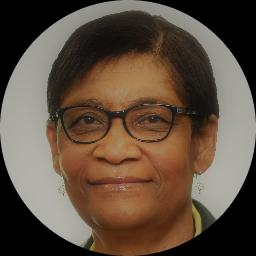
Claudia Brooker
BACP
6 years in practice English, French
Practical counselling for stress, identity and relationships
- Stress, Anxiety
- Addictions
- Relationship
UK counsellors who list LGBT
352 UK counsellors list both LGBT and immigration issues among their specialties. All offer sessions online; each profile shows who they are registered with.
This directory presents counsellors who specialise in immigration issues, including asylum, visa-related stress and resettlement challenges. Browse the profiles below to compare approaches, registration and experience and find a match for your needs.
BACP
6 years in practice English, French
Practical counselling for stress, identity and relationships
BACP
8 years in practice English, Portuguese
Counsellor offering thoughtful, tailored support
NCPS
4 years in practice
Supportive counsellor for life transitions
BACP
8 years in practice English, Romanian
Warm client-centred counsellor for practical change
BACP
6 years in practice English, Thai
Compassionate counsellor for life transitions
BACP
10 years in practice English, Portuguese
Insight-focused Jungian counsellor
NCPS
7 years in practice English, Afrikaans
Calm, reflective counselling for life challenges
BACP
15 years in practice
Practical, respectful counselling for change
BACP
3 years in practice
Person-focused counsellor using practical tools
BACP
11 years in practice English, Spanish
Transcultural person-centred counsellor
BACP
20 years in practice
Person-centred counsellor for stress and identity
BACP
3 years in practice
Practical, compassionate counselling for life changes
NCPS
7 years in practice English, Turkish
Compassionate counsellor focused on values and skills
BACP
6 years in practice English, Swahili
Compassionate relational therapy for everyday struggles
BACP
20 years in practice
Person-centred counsellor blending practical approaches
BACP
9 years in practice
Humanistic BACP counsellor for relationship patterns
BACP
5 years in practice English, Spanish
Warm relational counsellor for LGBT needs
BACP
4 years in practice English, Hindi
Gentle, practical support for life changes
BACP
26 years in practice English, Bosnian
Experienced UK counsellor focused on practical support
BACP
3 years in practice English, Central Khmer
Calm, practical counselling with mindfulness roots
BACP
6 years in practice English, Igbo
Gentle, practical psychotherapy for everyday problems
BACP
12 years in practice
Practical, compassionate support for everyday challenges
BACP
5 years in practice
Practical, respectful therapy for everyday struggles
BACP
9 years in practice
Calm, practical counselling for men
BACP
3 years in practice English, Mandarin
Warm relational counsellor for life and relationship changes
BACP
20 years in practice
Experienced counsellor for complex emotional issues
BACP
13 years in practice
Empathic integrative counsellor for life changes
BACP
12 years in practice
Supportive counsellor blending listening and practical tools
BACP
8 years in practice English, Romanian
Compassionate counsellor helping people find direction
BACP
8 years in practice English, Cantonese
Experienced counsellor blending CBT and EFT
BACP
4 years in practice
Experienced person-centred psychotherapist
3 years in practice English, Spanish
Person-centred counsellor for LGBT concerns
BACP
11 years in practice English, Romanian
Experienced counsellor for relationship and LGBT concerns
BACP
10 years in practice English, Igbo
Warm, practical counselling with CBT and client-centred care
BACP
18 years in practice English, Greek
Psychodynamic counsellor for lasting insight
HCPC
27 years in practice
Experienced HCPC clinician supporting LGBT and identity concerns
40 years in practice
Experienced counsellor focused on relationships and life changes
BACP
20 years in practice
Experienced counsellor supporting LGBT clients and more
BACP
11 years in practice
Compassionate, practical counselling for life changes
16 years in practice English, Hindi
Experienced integrative counsellor for diverse needs
BACP
5 years in practice
Warm BACP counsellor offering practical support
BACP
10 years in practice
Practical, person-led counselling for everyday struggles
BACP
9 years in practice
Understanding, practical counselling support
NCPS
6 years in practice
Accessible online counsellor for everyday struggles
BACP
3 years in practice
Client-led counselling grounded in relationship work
BACP
11 years in practice
Calm, practical counselling for life challenges
BACP
8 years in practice English, Hindi
Collaborative counselling for relationships and trauma
BACP
20 years in practice
Experienced counsellor supporting life changes
Some links on this page are partner links. We will earn a commission if you sign up through one, at no cost to you. It does not change what you pay or the order of the listings.
Immigration issues cover a wide range of situations - moving countries, applying for visas or asylum, navigating settlement systems, family reunification and the ongoing adjustments that follow relocation. For many people the process includes practical hurdles such as paperwork and legal appointments, alongside emotional challenges like uncertainty, grief for what was left behind, and the strain of adapting to new cultural norms. If you are LGBT+ these pressures can be compounded by concerns about discrimination, identity visibility and the need to rebuild social networks.
Your emotional response to immigration-related stress is individual. Some people experience heightened anxiety about interviews or case outcomes, while others notice low mood after the initial relief of arrival wears off. Sleep, appetite and motivation can all be affected, and relationships may come under strain as you and those close to you adjust to changed roles or financial pressures. Counselling offers a place to attend to these emotional responses, to process practical worries and to explore ways of coping that fit with your values and circumstances.
You might consider speaking with a counsellor if persistent worry about immigration matters is affecting your daily life or wellbeing. This could show up as ongoing anxiety concentrated on legal processes, intrusive thoughts about safety or past trauma, or a sense of being stuck and unable to move forward with relationships, work or study. You may notice changes in behaviour such as withdrawing from social contact, increased use of substances to numb difficult feelings or trouble concentrating on tasks.
For some people the symptoms are physical - frequent headaches, muscle tension or disrupted sleep - and these can be just as important to address as emotional symptoms. If you find that your coping strategies are no longer effective or that you are repeating patterns that cause distress, counselling can help you make sense of those patterns, develop practical coping techniques and find ways to build a steadier daily routine while you navigate the immigration system.
The first few sessions typically involve sharing your story and your current concerns so that the counsellor can understand the context of your immigration-related distress. You will be invited to describe what feels most pressing right now and what you hope to get from counselling. This phase is also an opportunity to discuss practical matters such as session length, fees and whether the counsellor is registered with a recognised UK body such as BACP, HCPC or NCPS.
Over subsequent sessions you will work collaboratively with the counsellor to set realistic goals that reflect both short-term needs and longer-term adjustments. Some clients focus on immediate emotional regulation skills to manage panic or panic triggers, while others explore the complex feelings around identity, loss and belonging. If there is past trauma related to persecution or migration experiences, the counsellor may work at a pace that feels tolerable for you, integrating grounding techniques and stabilising strategies before exploring painful memories.
Counselling for immigration issues often blends discussion of practical matters with emotional processing. You and your counsellor might look at ways to prepare for interviews or to manage the stress of appointments, as well as developing routines that help you sleep, eat and socialise more predictably. The focus is on helping you feel more able to cope in the present, while acknowledging the real uncertainties that accompany immigration pathways.
Counsellors bring a range of approaches to work with immigration issues. Some use cognitive-behavioural methods to help you recognise and reframe unhelpful thinking patterns that fuel anxiety, while others offer psychodynamic perspectives to explore how past experiences shape current reactions. Narrative approaches can be particularly helpful when identity and storytelling are central to your experience, enabling you to reclaim agency by re-authoring parts of your life story.
Trauma-informed care is commonly mentioned by counsellors who list it among their approaches, emphasising safety, pacing and an understanding of how traumatic experiences affect the body and mind. Some counsellors may list EMDR among their approaches, and others may note integrative or relational models that focus on building a trusting therapeutic relationship. It is helpful to look at counsellor profiles to see which approaches are emphasised and to reflect on which style feels most likely to suit you.
Online counselling can be delivered by video call, telephone or written messaging, and each format has practical differences to consider. Video calls can approximate face-to-face sessions and allow you to read non-verbal cues, while telephone sessions may feel less exposing for some people. Messaging offers flexibility if your schedule is unpredictable or if you prefer to write rather than speak. Before beginning online sessions you and the counsellor should agree on how you will manage assessments, cancellations, emergency contacts and the boundaries of the work.
When accessing counselling online it is useful to create a comfortable environment where you will not be interrupted. This might involve finding a quiet room, using headphones, and letting household members know you are not to be disturbed during the session. If you are living in shared accommodation or temporary housing and privacy is limited, discuss this with your counsellor; many will have strategies to support you, such as scheduling sessions at quieter times or using methods that feel less exposed.
Online counselling increases access for people who are geographically distant from specialist counsellors or who find travel difficult. It can also reduce the stress of attending appointments in person. However, it is important to recognise limitations - technology interruptions, difficulties finding quiet space and the absence of in-person cues. You should feel able to raise any concerns about the online format with your counsellor so adjustments can be made.
Choosing a counsellor is a personal process and there is no single right answer. Begin by reading profiles to identify counsellors who mention immigration issues, asylum-related work, or cultural and identity-informed approaches. Look for information about registration - being registered with BACP, HCPC or NCPS provides an additional layer of professional standards and practice accountability in the UK. Consider which therapeutic approaches are described and whether the counsellor lists work with trauma, grief or adjustment, depending on your needs.
Language and cultural understanding can matter a great deal. If you prefer a counsellor who shares a language, cultural background or an LGBT+ affirmative approach, look for those details in profiles. Think about practical preferences such as whether you want online sessions, evening appointments or someone who has experience supporting people through legal processes and appointment preparation. Trust your instincts about the tone and clarity of a counsellor's profile; if their description feels inviting and respectful, that is an important factor.
Finally, remember that the therapeutic relationship itself is central. It is reasonable to expect an initial conversation or assessment that helps you decide whether to continue. If something does not feel right, you can stop and try another counsellor without judgement. Seeking support is a strong step and finding a counsellor with whom you feel understood and able to work will increase the chances that the counselling is helpful during what can be a very challenging time.