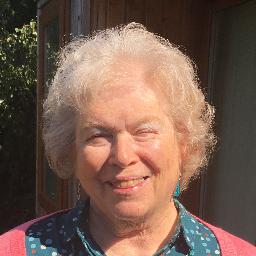
Millie Ashton
BACP
15 years in practice
Experienced client-centred counsellor
- Stress, Anxiety
- Trauma and abuse
- Grief
UK counsellors who list LGBT
507 UK counsellors list both LGBT and aging and geriatric issues among their specialties. All offer sessions online; each profile shows who they are registered with.
This page lists counsellors who specialise in ageing and geriatric issues for LGBT adults across the UK. Browse the listings below to review registration, therapeutic approaches, languages and areas of focus to help you find a suitable counsellor.
BACP
15 years in practice
Experienced client-centred counsellor
10 years in practice
Therapist offering practical, compassionate support
BACP
8 years in practice English, Portuguese
Counsellor offering thoughtful, tailored support
NCPS
18 years in practice
Supportive person-centred counsellor
BACP
4 years in practice
Experienced person-centred counsellor for adults
NCPS
4 years in practice
Supportive counsellor for life transitions
BACP
8 years in practice English, Romanian
Warm client-centred counsellor for practical change
BACP, NCPS
5 years in practice
Calm, practical counselling for life changes
BACP
8 years in practice
Calm, practical therapy for life’s hard moments
BACP
9 years in practice
Calm, practical counselling for adult wellbeing
NCPS
7 years in practice English, Afrikaans
Calm, reflective counselling for life challenges
BACP
3 years in practice
Calm, person-centred support for life changes
BACP
6 years in practice
Calm, reflective counselling with practical steps
BACP
11 years in practice English, Spanish
Transcultural person-centred counsellor
BACP
3 years in practice
Practical, compassionate counselling for life changes
NCPS
7 years in practice English, Turkish
Compassionate counsellor focused on values and skills
BACP, NCPS
6 years in practice
Experienced person-centred counsellor for LGBT clients
BACP
6 years in practice
Experienced counsellor with practical focus
BACP
6 years in practice English, Swahili
Compassionate relational therapy for everyday struggles
6 years in practice
Compassionate practical therapy for everyday struggles
BACP
20 years in practice
Person-centred counsellor blending practical approaches
BACP
4 years in practice
Practical, client-centred support for life challenges
BACP
4 years in practice
Integrative counsellor for stress and relationships
BACP
3 years in practice
Person-centred counsellor for stress and LGBT concerns
NCPS
3 years in practice
Warm person-centred counsellor supporting life changes
BACP
26 years in practice English, Bosnian
Experienced UK counsellor focused on practical support
BACP
3 years in practice English, Central Khmer
Calm, practical counselling with mindfulness roots
BACP
20 years in practice
Experienced counsellor for relationship and identity issues
BACP
6 years in practice English, Igbo
Gentle, practical psychotherapy for everyday problems
BACP
5 years in practice
Practical, respectful therapy for everyday struggles
NCPS
7 years in practice
Practical, person-led counselling for life changes
BACP
11 years in practice
Warm, practical counselling for life’s hard moments
BACP
20 years in practice
Experienced counsellor for complex emotional issues
33 years in practice
Experienced BACP counsellor focused on relationships and wellbeing
BACP
13 years in practice
Empathic integrative counsellor for life changes
BACP
8 years in practice
Understanding relationships and self worth
BACP
8 years in practice English, Romanian
Compassionate counsellor helping people find direction
BACP
9 years in practice
Supportive person-centred counsellor
BACP
11 years in practice
Compassionate, practical therapy for life challenges
BACP
11 years in practice English, Romanian
Experienced counsellor for relationship and LGBT concerns
BACP, NCPS
5 years in practice
Compassionate counsellor for life transitions
BACP
10 years in practice
Practical support for stress and life changes
BACP
18 years in practice English, Greek
Psychodynamic counsellor for lasting insight
NCPS
5 years in practice
Warm person-centred counsellor
40 years in practice
Experienced counsellor focused on relationships and life changes
BACP
20 years in practice
Experienced counsellor supporting LGBT clients and more
BACP
22 years in practice
Experienced BACP counsellor focused on practical support
BACP
11 years in practice
Compassionate, practical counselling for life changes
Some links on this page are partner links. We will earn a commission if you sign up through one, at no cost to you. It does not change what you pay or the order of the listings.
Ageing is not the same for everyone. As you grow older you may encounter a mix of practical, emotional and relational challenges that are shaped by your life history, health, finances and social connections. For many LGBT people, ageing can also bring particular concerns tied to identity, past experiences of stigma, family relationships and how services understand your needs. Geriatric issues commonly span memory and cognitive changes, chronic health conditions, mobility and sensory losses, bereavement, and transitions such as retirement or moving into supported living. Each of these can interact with the unique social context of LGBT lives - for example, patterns of support networks that differ from those of heterosexual peers, or worry about discrimination in care settings.
Understanding these layers can help you identify the kind of support that feels relevant. While practical advice and advocacy are often essential, therapy can offer a space to process loss, anxiety about the future, changes in identity and role, and complicated grief. Counsellors who specialise in ageing and geriatric issues aim to help you make sense of these shifts, clarify what matters to you now, and build strategies for maintaining wellbeing and meaningful connection as circumstances change.
You might consider seeking a counsellor if you notice persistent changes in mood, sleep or appetite that interfere with daily life. Increasing isolation, feelings of loneliness, heightened worry about health, or repeated intrusive thoughts about loss are common reasons people look for support. If you are facing major transitions - such as the loss of a partner, moving into a new living arrangement, or coping with a diagnosis that affects independence - these moments can trigger complex emotions that benefit from reflective, sustained support.
You may also find therapy helpful if you are struggling with relationships in later life, including changes in family dynamics, caregiving responsibilities, or reconciling past experiences of discrimination with present needs for support. Cognitive changes or memory worries often raise practical and emotional questions; while some issues will require medical assessment, therapy can help you adapt, manage anxiety and plan for changes in a way that honours your values. If you are unsure whether counselling is right for you, reading counsellor profiles and their stated approaches can clarify whose way of working resonates with your concerns.
When you begin sessions you can expect an initial period of assessment and listening where the counsellor asks about your history, current concerns and goals for therapy. This conversation is typically collaborative - you and the counsellor will identify areas to focus on and agree how to work together. Sessions often explore emotional responses to ageing, practical worries about health or living arrangements, grief and identity, and relational patterns with family or carers. A counsellor may also help you develop coping strategies for anxiety and low mood, explore meaning and purpose in later life, and support conversations you need to have with loved ones or professionals.
Therapy can be short term or longer term depending on your goals. Some people prefer a few sessions to address an immediate transition, while others find ongoing therapy useful for working through long-standing issues or complex grief. Expect a blend of talking, reflective exercises and practical planning. You should also expect the counsellor to discuss boundaries, information-sharing boundaries procedures and how sessions are arranged. If physical mobility or sensory needs are relevant, a counsellor will normally discuss practical adjustments to make sessions easier for you.
There is no single approach that fits everyone. Counsellors on this page list a range of modalities which they use in work with older adults, and you can look for practitioners whose descriptions align with your preferences. Psychodynamic approaches focus on understanding how past relationships and experiences shape your present responses. Humanistic and person-centred approaches emphasise your autonomy and values, offering a non-judgemental space to explore meaning. Cognitive behavioural methods concentrate on identifying and changing patterns of thought and behaviour that feed anxiety or low mood. Other counsellors may mention narrative approaches that help you reframe life stories, or existential approaches that address questions of meaning, mortality and purpose.
It is important to remember that a counsellor listing a given approach is not the same as formal accreditation in that method. Many practitioners blend techniques to suit your needs, and some specifically mention experience with issues common in later life such as bereavement, caregiving stress and adjustment to health changes. When reviewing profiles you can note whether a counsellor mentions working with older adults, or whether they state registration with professional bodies such as BACP, HCPC or NCPS, which indicates adherence to recognised standards of practice and ethics in the UK.
Online therapy can increase access if mobility, transport or location makes in-person sessions difficult. Sessions are usually conducted by video call, telephone or text-based messaging platforms chosen by the counsellor. Many people find video sessions a good alternative that preserves face-to-face contact, while telephone work may feel simpler for those who prefer not to use video. Before you start, you and the counsellor will agree on session length, frequency and what to do in case of technical problems or an emergency. It is reasonable to ask about how sessions will be recorded, how notes are stored and what the cancellation policy is.
Technical factors are worth considering - a stable internet connection, a device with suitable audio and video, and a quiet, comfortable environment will help you get the most from sessions. If you require assistance with hearing or vision, mention this in initial messages so the counsellor can suggest adjustments. Online therapy does not replace medical or social care needs that may require in-person assessment, but it can complement those services by offering emotional support, coping strategies and a space to make decisions about next steps.
Choosing a counsellor is a personal process. Start by reading profiles to find counsellors who explicitly reference work with older adults, geriatric concerns or specific issues you are facing such as bereavement or caregiving stress. Look for clear information about registration - many counsellors will note membership of BACP, HCPC or NCPS - and consider whether their stated therapeutic approaches match how you prefer to work. You may also want to check for languages offered or particular areas of cultural competence that reflect your background.
Think about practical preferences such as session format - online or in-person - and whether you would like a counsellor who mentions experience with LGBT ageing issues specifically. Making an initial contact message to ask brief questions about approach, session structure and adjustments for any mobility or sensory needs can help you gauge rapport. Trust your instincts about how a counsellor communicates and whether they listen to the concerns you bring. Over time you can assess whether the working relationship supports your goals and adapt as those goals change.
Finding a counsellor who feels like a good fit can make the difference between transactional support and a meaningful therapeutic relationship that helps you navigate later life with greater clarity and resilience. Use the listings below to compare profiles and reach out to practitioners whose approach and registration align with your needs and preferences.