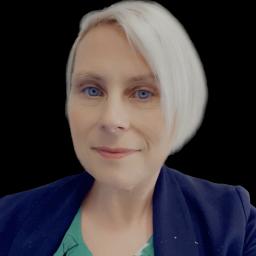
Claudia Brooker
BACP
6 years in practice English, French
Practical counselling for stress, identity and relationships
- Stress, Anxiety
- Addictions
- Relationship
UK counsellors who list LGBT
451 UK counsellors list both LGBT and disaster relief therapy among their specialties. All offer sessions online; each profile shows who they are registered with.
This directory lists counsellors who specialise in disaster relief therapy and work with people affected by natural disasters, major incidents and community trauma. Browse the listings below to review qualifications, approaches, languages and areas of focus as you explore who might be a good fit.
BACP
6 years in practice English, French
Practical counselling for stress, identity and relationships
10 years in practice
Therapist offering practical, compassionate support
BACP
5 years in practice
Helping people become their authentic selves
NCPS
18 years in practice
Supportive person-centred counsellor
BACP
4 years in practice
Experienced person-centred counsellor for adults
NCPS
4 years in practice
Supportive counsellor for life transitions
BACP
6 years in practice
Practical counselling focused on strengths
NCPS
8 years in practice
Warm client-centred counselling with practical tools
BACP
8 years in practice English, Romanian
Warm client-centred counsellor for practical change
BACP, NCPS
5 years in practice
Calm, practical counselling for life changes
NCPS
7 years in practice English, Afrikaans
Calm, reflective counselling for life challenges
BACP
12 years in practice
Supportive BACP counsellor for practical change
BACP
11 years in practice English, Spanish
Transcultural person-centred counsellor
BACP
3 years in practice
Practical, compassionate counselling for life changes
BACP, NCPS
6 years in practice
Experienced person-centred counsellor for LGBT clients
BACP
6 years in practice
Experienced counsellor with practical focus
BACP
6 years in practice English, Swahili
Compassionate relational therapy for everyday struggles
BACP
20 years in practice
Person-centred counsellor blending practical approaches
BACP
4 years in practice
Practical, client-centred support for life challenges
BACP
7 years in practice
Person-centred counsellor for life challenges
NCPS
14 years in practice
Person-centred counsellor emphasising autonomy
NCPS
7 years in practice English, Portuguese
Compassionate counsellor for life changes
BACP
4 years in practice
Integrative counsellor for stress and relationships
NCPS
3 years in practice
Warm person-centred counsellor supporting life changes
BACP
3 years in practice English, Central Khmer
Calm, practical counselling with mindfulness roots
BACP
26 years in practice
Experienced client-centred counsellor for practical change
BACP
6 years in practice English, Igbo
Gentle, practical psychotherapy for everyday problems
BACP
7 years in practice
Compassionate counsellor for trauma and relationships
BACP
12 years in practice
Practical, compassionate support for everyday challenges
BACP
5 years in practice
Practical, respectful therapy for everyday struggles
NCPS
4 years in practice
Warm person-centred counsellor for life changes
BACP
20 years in practice
Experienced counsellor for complex emotional issues
BACP
8 years in practice
Supportive counsellor for stress and life changes
BACP
13 years in practice
Empathic integrative counsellor for life changes
BACP
12 years in practice
Supportive counsellor blending listening and practical tools
BACP
4 years in practice
Experienced person-centred psychotherapist
NCPS
3 years in practice
Experienced client-centred counsellor
BACP
5 years in practice
Friendly BACP counsellor focused on practical support
NCPS
5 years in practice
Experienced client-centred counsellor for complex issues
BACP
9 years in practice
Supportive person-centred counsellor
BACP
11 years in practice
Compassionate, practical therapy for life challenges
BACP
11 years in practice English, Romanian
Experienced counsellor for relationship and LGBT concerns
BACP, NCPS
5 years in practice
Compassionate counsellor for life transitions
BACP
10 years in practice
Practical support for stress and life changes
BACP
18 years in practice English, Greek
Psychodynamic counsellor for lasting insight
40 years in practice
Experienced counsellor focused on relationships and life changes
BACP
20 years in practice
Experienced counsellor supporting LGBT clients and more
BACP
3 years in practice
Practical counselling for everyday struggles
Some links on this page are partner links. We will earn a commission if you sign up through one, at no cost to you. It does not change what you pay or the order of the listings.
Disaster relief therapy refers to the psychosocial support and therapeutic work offered to people whose lives have been impacted by disasters - such as floods, fires, severe storms, industrial accidents or other large-scale emergencies. The term covers short-term crisis interventions and longer-term counselling aimed at helping people cope with the emotional, social and practical consequences that follow. For many people the initial aftermath focuses on meeting immediate needs - shelter, safety and practical support - while emotional responses may surface later. You may find that shock, disbelief and numbness come first, followed by anxiety, grief or anger as the reality of loss becomes clearer.
Disasters can affect whole communities and social networks as well as individuals. If you are part of an LGBTQ+ community, you may face particular concerns about family reactions, chosen family roles, loss of community spaces or disruption to mutual support networks. Cultural, economic and legal factors also shape how you experience recovery. Therapy in this context aims to help you rebuild a sense of safety, process distressing memories, and identify practical coping strategies so you can regain a steadier daily routine and connection to others.
It can be difficult to know when to seek help after a traumatic event. You might consider contacting a counsellor if you notice persistent changes in your mood, sleep or behaviour that interfere with daily life. Many people describe intrusive memories or flashbacks, nightmares, avoidance of reminders of the event, or a heightened startle response. Others find themselves withdrawing from friends and community, feeling numb, or struggling with intense guilt or shame about decisions made during the incident.
Functional changes are important to notice - if you are finding it harder to manage work, study or relationships, or if your substance use has increased as a way of coping, these are signs that additional support could be helpful. You may also be experiencing complicated grief if someone close to you has died, or chronic worry about ongoing threats to housing and finances. If you are unsure whether therapy is right for you, an initial assessment with a registered counsellor can help clarify the nature of your difficulties and the types of support that could be most useful.
When you begin working with a counsellor for disaster-related concerns, the early sessions often focus on assessment and stabilisation. Your counsellor will want to understand what happened, how it affected you and your support systems, and what your immediate goals are. You can expect a conversational, collaborative approach in which your strengths and practical needs are considered alongside emotional processing. People often work on managing overwhelming emotions, reducing bodily arousal and restoring routines that help with daily functioning.
Sessions may include learning grounding skills, breathing exercises and practical problem-solving to address housing, benefits or legal concerns where that is within the counsellor's remit or through referral. Over time you may move into processing the event, exploring the meaning it holds for you and integrating memories in a way that reduces their intensity. For some people, therapy also involves reconnecting with community supports, addressing relationship changes, and planning for ongoing resilience. If you have complex needs, your counsellor may discuss joint work with other professionals or signpost specialised services for practical assistance and advocacy.
There is a range of therapeutic approaches that counsellors may list as part of their work with disaster-affected clients. Some approaches emphasise stabilisation and coping skills in the short term, while others focus on processing painful memories and rebuilding a sense of meaning. You will find counsellors who list cognitive-behavioural approaches among their methods, which often involve identifying stressful thought patterns and developing practical strategies to manage anxiety and avoidance. Others list trauma-informed psychodynamic or integrative approaches that explore how the experience interacts with your wider life story and relationships.
Some profiles may indicate that a counsellor lists EMDR among their approaches; on profiles this simply reflects an approach the practitioner uses rather than a specific credential. Eye movement desensitisation and reprocessing techniques and similar memory-processing methods may be part of work with people who are ready to revisit traumatic memories. Group-based psychosocial interventions and community-oriented programmes also play a role in disaster recovery, helping people rebuild social networks and collective coping. When reading profiles, look for clear explanations about how a counsellor applies different approaches and how they tailor work to the needs of LGBTQ+ people and diverse communities.
Online therapy can be especially useful after disasters when local services are disrupted or travel is difficult. If you choose remote sessions, you will typically meet a counsellor via video or phone for scheduled appointments, or sometimes through messaging-based support. Online work can provide continuity while you sort out immediate practical needs and can connect you with practitioners who list specific experience supporting LGBTQ+ people or those affected by particular types of incidents. It is important to ensure you have a personal, quiet place for sessions and a reliable internet connection when possible; some people prefer phone calls if bandwidth is limited.
When using online therapy you should ask about format and length of sessions, how records are kept and what to do in an emergency - for instance, who to contact locally if you become at risk. Many UK counsellors will note registration with professional bodies such as BACP or HCPC on their profiles and you may see NCPS mentioned for practitioners who work in psychological services. These registrations indicate that a counsellor adheres to certain professional standards, complaints procedures and codes of practice. It is also useful to ask how the counsellor approaches cultural humility, LGBTQ+ inclusivity and community-specific concerns, so you feel the work will respect your identity and context.
Finding the right counsellor is a personal process and there are practical steps you can take to narrow your search. Start by reading profiles to learn about professional registration, stated areas of focus and the approaches a counsellor lists. Look for counsellors who explicitly mention experience supporting LGBTQ+ people or who describe an inclusive, respectful approach to gender and sexuality. Pay attention to the languages they list if you prefer support in a language other than English. You may also consider whether you want someone who offers online sessions, in-person work, or a mix of both depending on your circumstances.
Before you make contact, think about what you hope to achieve in therapy and any practical constraints such as session length, fees and frequency. When you speak with a counsellor for an initial conversation, you can ask about how they tailor disaster-related work, what a typical course of sessions looks like for people in similar situations and how they support clients in crisis. Choosing a counsellor who communicates clearly about their practice and who demonstrates an understanding of the social and community impacts of disasters can help you feel more confident as you begin the process of recovery and rebuilding.