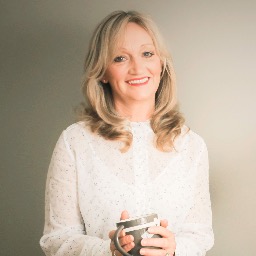
Sharon Boyd
BACP, NCPS
13 years in practice
Compassionate counsellor for stress and loss
- Stress, Anxiety
- Trauma and abuse
- Grief
UK counsellors who list LGBT
561 UK counsellors who list LGBT among their specialties also list Attachment-Based Therapy among their approaches. Listing an approach is not evidence of training in it; ask directly how they use it.
Attachment-Based Therapy focuses on relationships and how early emotional bonds shape your patterns of relating. Below you can browse counsellors who list Attachment-Based Therapy among their approaches and read about how the method may fit your needs.
BACP, NCPS
13 years in practice
Compassionate counsellor for stress and loss
10 years in practice
Therapist offering practical, compassionate support
BACP
5 years in practice
Helping people become their authentic selves
BACP
8 years in practice English, Portuguese
Counsellor offering thoughtful, tailored support
NCPS
18 years in practice
Supportive person-centred counsellor
BACP
4 years in practice
Experienced person-centred counsellor for adults
BACP
6 years in practice
Practical counselling focused on strengths
BACP, NCPS
5 years in practice
Calm, practical counselling for life changes
NCPS
7 years in practice English, Afrikaans
Calm, reflective counselling for life challenges
4 years in practice
Practical support for life, mood and relationships
BACP
9 years in practice
Compassionate counsellor for emotional resilience
BACP
6 years in practice
Calm, reflective counselling with practical steps
BACP
6 years in practice
Experienced UK counsellor for everyday challenges
NCPS
7 years in practice English, Turkish
Compassionate counsellor focused on values and skills
BACP
6 years in practice
Experienced counsellor with practical focus
BACP
6 years in practice English, Swahili
Compassionate relational therapy for everyday struggles
BACP
5 years in practice
Compassionate counsellor for life changes
NCPS
7 years in practice
Compassionate counsellor for stress and identity
BACP
9 years in practice
Humanistic BACP counsellor for relationship patterns
BACP
5 years in practice English, Spanish
Warm relational counsellor for LGBT needs
NCPS
13 years in practice
Practical, human-centred counselling for life changes
BACP
4 years in practice
Integrative counsellor for stress and relationships
NCPS
3 years in practice
Warm person-centred counsellor supporting life changes
BACP, NCPS
17 years in practice
Practical therapy for anxiety and life changes
BACP
11 years in practice
Experienced counsellor for life challenges
BACP
26 years in practice English, Bosnian
Experienced UK counsellor focused on practical support
BACP
6 years in practice
Compassionate counsellor for relationship and trauma work
BACP
3 years in practice English, Central Khmer
Calm, practical counselling with mindfulness roots
BACP
20 years in practice
Experienced counsellor for relationship and identity issues
BACP
6 years in practice English, Igbo
Gentle, practical psychotherapy for everyday problems
BACP
4 years in practice
Compassionate counsellor for emotional and relationship challenges
BACP
12 years in practice
Practical, compassionate support for everyday challenges
BACP
5 years in practice
Practical, respectful therapy for everyday struggles
BACP
3 years in practice English, Mandarin
Warm relational counsellor for life and relationship changes
NCPS
8 years in practice
Experienced counsellor for relationships and life change
NCPS
4 years in practice
Warm person-centred counsellor for life changes
BACP
20 years in practice
Experienced counsellor for complex emotional issues
BACP
5 years in practice English, Polish
Compassionate counsellor for life changes
BACP
5 years in practice
Person-centred counsellor for identity and wellbeing
BACP
8 years in practice
Understanding relationships and self worth
BACP
8 years in practice English, Romanian
Compassionate counsellor helping people find direction
BACP
3 years in practice
Warm, practical counselling for life’s challenges
BACP
11 years in practice
Compassionate, practical therapy for life challenges
BACP
11 years in practice English, Romanian
Experienced counsellor for relationship and LGBT concerns
3 years in practice English, Persian
Compassionate practical therapy for life challenges
HCPC
27 years in practice
Experienced HCPC clinician supporting LGBT and identity concerns
40 years in practice
Experienced counsellor focused on relationships and life changes
BACP
20 years in practice
Experienced counsellor supporting LGBT clients and more
Some links on this page are partner links. We will earn a commission if you sign up through one, at no cost to you. It does not change what you pay or the order of the listings.
Attachment-Based Therapy is rooted in the idea that early relationships with caregivers influence the ways you form attachments throughout life. Practitioners who use this approach work from the premise that patterns established in childhood - such as anxiety about closeness, avoidance of intimacy or difficulties trusting others - often continue to shape adult relationships. The therapy does not simply catalogue past hurts. Instead it seeks to explore how those early interpersonal experiences are felt and re-enacted in the present, and to create new relational experiences within the therapeutic relationship itself.
In practice you can expect an emphasis on the quality of connection, emotional attunement and the therapist-client relationship as a vehicle for change. Therapists who list Attachment-Based Therapy among their approaches often pay close attention to moments when old attachment patterns appear in the room. They aim to help you recognise these patterns, understand their origins and experiment with different ways of responding. This process is gradual and relational - it invites you to explore feelings about safety, dependence, independence and trust while being supported in a consistent, responsive way.
Attachment-focused work is commonly sought for relational and developmental concerns. You might seek this approach if you are struggling with difficulty forming close relationships, repeated breakups, fear of intimacy, chronic loneliness or trust issues. It is also used where early adversity - such as inconsistent caregiving, loss, or neglect - has left a lasting impact on emotional regulation and self-worth. Many people find attachment-informed counselling helpful when patterns of attachment are affecting parenting, friendships, or work relationships.
People who experience complex emotional reactions to relationship endings, or who notice recurring cycles of withdrawal and pursuit in partnerships, often find it useful to explore these dynamics through an attachment lens. Attachment-focused work can also assist if you are trying to make sense of your behavioural responses under stress, such as shutting down or becoming highly anxious. While it is not a quick fix, the approach offers a framework for understanding how your past relationships shape current needs and for practising new interpersonal strategies in the context of the therapeutic relationship.
A typical session in Attachment-Based Therapy balances reflection on past relationships with close attention to what happens between you and the counsellor in the present. You might begin by describing a recent interaction that felt significant, or a recurring pattern that has been causing distress. The counsellor will listen for themes that suggest particular attachment patterns and may gently point these out so you can begin to see them more clearly. This is not about assigning blame for past experiences; it is about naming how those experiences influence your current feelings and choices.
Within sessions you may be invited to reflect on bodily sensations, emotions and the thoughts that arise when certain relational triggers occur. The therapist may offer a calm, steady presence to help you tolerate difficult feelings and to try out different ways of being with others. Over time you can expect to practise expressing needs, setting boundaries and responding in ways that support more stable connections. The pace and tone of sessions will vary according to your needs - some people want more exploration of the past, while others focus on present-day relationship skills - and the counsellor works collaboratively with you to shape the process.
Attachment-Based Therapy shares ground with other relational and psychodynamic approaches, but it places particular emphasis on attachment patterns as organising principles for emotion and behaviour. Unlike purely cognitive approaches, which focus primarily on thoughts and behavioural experiments, attachment-focused work foregrounds the role of early relational experiences and the therapeutic relationship as a corrective emotional experience. This means you are likely to spend more time exploring the felt sense of relationships and how interactional patterns unfold in the therapy room.
Compared with some short-term models, attachment-informed therapy may be more exploratory and process-oriented. That does not mean it cannot be time-limited, but the focus tends to be on deepening your capacity for intimacy and emotional regulation, which often requires sustained relational work. The approach is also distinct from skills-only programmes because it integrates emotional insight with practical relational change. In short, if you want to understand why you relate in certain ways and to practise different patterns within a therapeutic relationship, attachment-informed counselling offers a clear framework for that kind of work.
Attachment-Based Therapy can be relevant if you notice recurring difficulties in relationships, persistent patterns of anxiety or avoidance, or if childhood relational experiences continue to affect your sense of self. You may find it particularly useful if you want to explore how early bonds influence your current parenting, partnerships or friendships. The approach can be adapted for individuals, couples and families, though your circumstances will help determine the most suitable format.
When looking for a counsellor who lists Attachment-Based Therapy among their approaches, consider how their broader focus areas, professional registration and experience align with your needs. Some counsellors combine attachment work with other modalities or specialisms, such as trauma-informed practice or relationship counselling, which can be helpful depending on your concerns. You might look for information on their therapeutic philosophy, client groups they work with, languages spoken and whether they are registered with a recognised professional body in the UK. Reading therapist profiles will give you a sense of their approach and experience without implying any particular certification in Attachment-Based Therapy.
Trusting your initial impression when reading a profile can help you decide who to contact for an initial conversation. Think about the counsellor's descriptions of how they work and whether the language feels compatible with your needs. Some people prefer a more structured approach with clear goals, while others appreciate a reflective, relational style. You may also have practical priorities such as location, fee range and whether the counsellor offers in-person work, remote sessions or a combination of both. Taking a short introductory call or message can help you get a better sense of whether they are a good fit.
Ultimately, successful attachment-focused work depends on a therapeutic relationship where you feel understood and supported in exploring sensitive material. If you are seeking change in how you relate to others and in how you experience yourself, therapists who list Attachment-Based Therapy among their approaches may offer the relational perspective that helps you make meaningful shifts. Use profile details, professional registration and the counsellor's stated areas of focus to guide your choice and to find someone whose approach resonates with your aims for therapy.