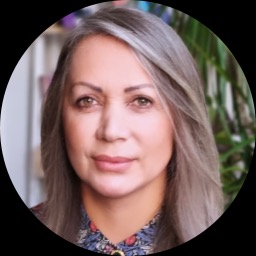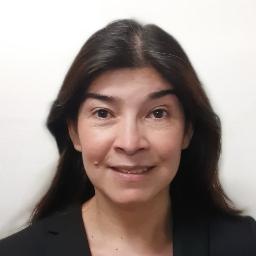
Claudia Turbet-Delof
BACP
11 years in practice English, Spanish
Transcultural person-centred counsellor
- Relationship
- Trauma and abuse
- Anger
UK counsellors who list LGBT
29 UK counsellors who list LGBT among their specialties name Spanish among the languages they offer sessions in.
Talking about personal experiences in your native language can make therapy feel more approachable and meaningful. Below you can browse profiles of Spanish-speaking therapists who list their approaches, areas of focus and qualifications to help you find a good fit.
BACP
11 years in practice English, Spanish
Transcultural person-centred counsellor
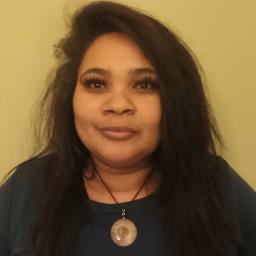
BACP
5 years in practice English, Spanish
Warm relational counsellor for LGBT needs
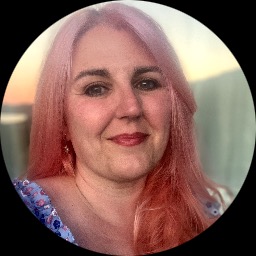
3 years in practice English, Spanish
Person-centred counsellor for LGBT concerns
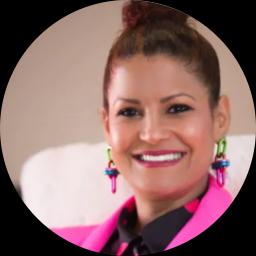
BACP
20 years in practice English, Spanish
Experienced counsellor for relationship and identity concerns
BACP
9 years in practice English, Spanish
Compassionate counsellor for life transitions
BACP
8 years in practice English, Spanish
Calm, practical counselling for life challenges
NCPS
3 years in practice English, Spanish
Therapist focused on practical self-awareness
10 years in practice English, Spanish
Compassionate, practical counselling for everyday life
NCPS
9 years in practice English, Spanish
Compassionate counsellor for life changes
BACP
12 years in practice English, Spanish
Compassionate counselling for life’s hard moments
BACP
9 years in practice English, Spanish
Practical counselling for life’s difficult moments
BACP, NCPS
18 years in practice English, Spanish
Experienced counsellor for relationship and identity issues
BACP
3 years in practice English, Spanish
Person-centred counsellor for LGBT concerns
BACP
4 years in practice English, Spanish
Gentle, person-centred support for life struggles
NCPS
6 years in practice English, Spanish
Compassionate, integrative therapy for life’s challenges
BACP
13 years in practice English, Spanish
Experienced integrative counsellor for life challenges
BACP
3 years in practice English, Spanish
Practical, compassionate counselling for life challenges
BACP
10 years in practice English, Spanish
Compassionate counsellor for life and relationship challenges
9 years in practice English, Spanish
Psychodynamic counsellor with mindfulness and trauma focus
3 years in practice English, Spanish
Person-centred counsellor for relational issues
6 years in practice English, Spanish
Practical, bilingual counselling for everyday struggles
BACP
4 years in practice English, Spanish
Calm, practical counselling that values cultural experience
BACP
20 years in practice English, Spanish
Calm, practical counselling for life changes
NCPS
9 years in practice English, Spanish
Compassionate counsellor for trauma and relationships
BACP
12 years in practice English, Spanish
Calm, collaborative counselling for personal change
BACP
3 years in practice English, Spanish
Integrative counsellor for anxiety and relationships
BACP
6 years in practice English, Spanish
Calm, practical support for everyday challenges
BACP
4 years in practice English, Spanish
Insightful integrative counsellor for identity and change
BACP
10 years in practice English, Spanish
Restorative counselling for life changes
Some links on this page are partner links. We will earn a commission if you sign up through one, at no cost to you. It does not change what you pay or the order of the listings.
When you talk about sensitive topics in the language you grew up with, meaning and emotional nuance can feel more natural. Words that carry cultural weight, idioms, humour and the subtleties of emotional vocabulary are often easier to express in your first language. That can matter a great deal in therapy because it affects how you describe experiences, how you form insight and how the therapeutic relationship develops. For many people in the LGBT+ community, being able to name feelings and experiences in Spanish helps to honour cultural context and family histories that are entwined with language.
You may find that certain memories or painful moments are more accessible when discussed in Spanish, or that metaphors and expressions from your cultural background illuminate parts of your story that are hard to translate. A therapist who can speak Spanish can help you explore these layers without the friction of translation. That does not automatically guarantee a match - rapport, therapeutic approach and the counsellor s understanding of LGBT+ issues all play a role - but language reduces one common barrier to being understood.
Language barriers can shape the scope of what is shared in sessions. If you are working through complex emotions in a language you are less comfortable with you might simplify or avoid certain material, which can slow progress or leave important threads unexplored. Jokes, sarcasm and culturally specific references can be misunderstood by a clinician who is not fluent, and that can affect the accuracy of reflections and the development of effective therapeutic strategies.
Emotional regulation and naming feelings are core parts of many therapies. If you struggle to find the right words, you might not get to the heart of an issue as quickly. Miscommunication can also unintentionally create distance in the therapeutic relationship, making it harder for you to feel heard and supported. Finding a Spanish-speaking clinician can reduce these risks by allowing your natural expressiveness to guide the conversation, enabling more precise responses and greater depth in sessions.
Online therapy typically takes place by video call, phone or messaging, and each option changes how you communicate. With video sessions you retain visual cues and facial expression, which are important when discussing emotion. Phone sessions can feel more immediate and sometimes more personal if you prefer not to appear on camera. Messaging or email-based work allows you to take time to choose words and express yourself with care in Spanish. Before committing to a medium think about what helps you speak most freely and what fits your daily routine.
Therapists who list particular approaches may describe their ways of working on their profile. Some highlight a relational style that focuses on the therapeutic partnership, while others emphasise practical strategies for coping and change. When you read profiles, pay attention to how a counsellor talks about communication, cultural context and LGBT+ issues. If a therapist mentions Spanish as a working language, they may either use it exclusively during sessions or switch between Spanish and English depending on need. Consider whether you prefer sessions entirely in Spanish or a bilingual approach that can adapt to specific moments in therapy.
Many Spanish speakers worry about stigma within their communities, particularly when therapy is seen as something to avoid or hide. You may also find that family expectations, religious beliefs and cultural norms influence what feels safe to disclose. These factors can make the first steps towards help feel daunting. Another common concern is finding a clinician who understands not only the language but also the cultural context that shapes your priorities and struggles.
Access can be a practical barrier as well. There may be fewer Spanish-speaking practitioners in your local area, which is one reason online options have become important. Cost, appointment times and whether a therapist is registered with a UK professional body are additional points to weigh. It is reasonable to look for a counsellor who mentions working with LGBT+ clients and who speaks Spanish, while also noting whether they describe cultural competence, approaches they favour and any relevant experience that aligns with your needs.
Online therapy widens the pool of clinicians you can reach. You can connect with therapists across the UK who speak Spanish, increasing the chance of finding someone whose approach and lived experience resonate with you. Online work also offers flexibility - you can fit sessions around work or family responsibilities and choose a setting that helps you focus. If travel or local availability has limited your options in the past, remote sessions can remove that constraint.
When choosing a Spanish-speaking therapist, start with how they describe their language skills and areas of focus. Read profiles to understand which approaches they list and whether they mention working with LGBT+ issues or culturally specific topics that matter to you. Check whether they are registered with a recognised UK professional body, which indicates adherence to national standards of practice. Consider contacting a counsellor to ask brief questions about language use during sessions, how they work with cultural material and whether they offer the session format that suits you - video, phone or messaging.
Prepare for your first sessions by thinking about what matters most to you. You might want to outline whether you prefer sessions in Spanish only or a bilingual approach, whether family dynamics are a central concern, and what outcomes you hope to achieve. Make sure you have a quiet space where you will not be interrupted and a reliable internet connection if you choose video. Finally, trust your sense of fit. It can take a few conversations to know whether a therapist s style and language use feel right, and it is entirely reasonable to seek someone who feels like a good match for your cultural background and identity.