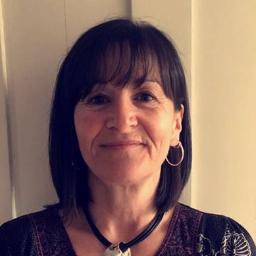
Kevin Alton
BACP
10 years in practice
Relationship-focused counsellor with ten years' experience
- Relationship
- Intimacy-related issues
- Self esteem
UK counsellors who list LGBT
69 UK counsellors who list LGBT among their specialties also list Imago Relationship Therapy among their approaches. Listing an approach is not evidence of training in it; ask directly how they use it.
Imago Relationship Therapy is a relational approach that explores how early experiences shape patterns in adult partnerships and guides couples toward greater connection. Below you can browse counsellors who list Imago Relationship Therapy among their approaches to compare profiles, areas of focus and languages.
BACP
10 years in practice
Relationship-focused counsellor with ten years' experience
NCPS
15 years in practice
Client-centred counsellor focusing on practical change
NCPS
3 years in practice
Warm person-centred counsellor supporting life changes
BACP
3 years in practice English, Central Khmer
Calm, practical counselling with mindfulness roots
BACP
7 years in practice
Compassionate counsellor for trauma and relationships
BACP
8 years in practice English, Romanian
Compassionate counsellor helping people find direction
BACP
11 years in practice
Compassionate, practical therapy for life challenges
BACP
11 years in practice English, Romanian
Experienced counsellor for relationship and LGBT concerns
BACP
5 years in practice English, Hindi
Calm, practical counselling for everyday life
BACP
22 years in practice English, Punjabi
Compassionate counsellor for life and relationship change
BACP
6 years in practice English, Gujarati
Supportive counsellor blending practical therapy approaches
BACP
7 years in practice English, Persian
Compassionate counsellor for relationship and life stresses
BACP
4 years in practice
Compassionate counsellor for stress and relationships
BACP
10 years in practice
Experienced counsellor supporting life changes
NCPS
15 years in practice
Calm, practical therapy for life challenges
NCPS
12 years in practice
Warm values-focused psychotherapist
BACP
11 years in practice English, Mandarin
Calm, practical counselling for life changes
BACP
26 years in practice
Calm, practical support for life’s hardest moments
NCPS
15 years in practice
Experienced counsellor for practical change
10 years in practice English, Spanish
Compassionate, practical counselling for everyday life
NCPS
5 years in practice
Experienced integrative counsellor for common concerns
NCPS
4 years in practice English, Portuguese
Supportive counsellor for life changes
NCPS
5 years in practice
A calm listener who follows your pace
BACP
5 years in practice English, Russian
Warm person-centred counsellor
BACP
3 years in practice
Compassionate counsellor focused on everyday change
BACP
12 years in practice English, Spanish
Compassionate counselling for life’s hard moments
BACP
17 years in practice English, American Sign Language
Warm counsellor for life transitions
BACP
10 years in practice English, Yoruba
Experienced counsellor for life changes
BACP
5 years in practice
Compassionate counsellor for everyday challenges
25 years in practice
Experienced counsellor for relationship and life challenges
BACP
4 years in practice
Gentle, attachment-informed relationship counselling
BACP
3 years in practice
Compassionate counsellor for life’s difficult moments
NCPS
18 years in practice
Experienced counsellor for life transitions
BACP
8 years in practice
Practical counselling for stress and relationships
NCPS
10 years in practice
Compassionate counselling for life changes
NCPS
5 years in practice
Compassionate, practical therapy for life’s challenges
BACP
8 years in practice
Helping people make sense of anxiety and relationships
BACP
10 years in practice
Compassionate counsellor for relationship and life challenges
BACP
12 years in practice
Practical counselling for life changes
BACP
13 years in practice English, Spanish
Experienced integrative counsellor for life challenges
NCPS
28 years in practice
Supportive counsellor for stress and relationships
BACP
4 years in practice
Compassionate counsellor helping people find balance
HCPC
12 years in practice
Compassionate psychologist helping people find balance
NCPS
4 years in practice
Practical counselling for life’s tough moments
BACP
10 years in practice
Practical, experienced counsellor for life transitions
BACP
4 years in practice English, Romanian
Compassionate counselling for life transitions
BACP
4 years in practice
Compassionate counsellor for life's tough moments
NCPS
3 years in practice
Psychosexual and relationship counsellor
Some links on this page are partner links. We will earn a commission if you sign up through one, at no cost to you. It does not change what you pay or the order of the listings.
Imago Relationship Therapy is an approach that views relationship difficulties as shaped by a mix of past experiences and present interactions. It proposes that partners are unconsciously attracted to each other in ways that mirror their earlier relational needs and wounds. The aim is to transform the relationship from a place where old patterns repeat themselves into a space for healing and growth. You are invited to explore how your responses in conflict reflect deeper longings and to practise new ways of engaging that reduce reactivity and increase empathy.
The method places emphasis on structured dialogues, curiosity and intentional listening rather than blame. A counsellor using Imago-informed techniques will often help you map the repeating patterns between you and your partner, identify triggers and develop skills to communicate unmet needs. The emphasis is on creating a corrective experience within the relationship - a way for partners to be truly seen and heard by one another - which can lead to more stable connection and more conscious choices about how you relate in the future.
At the heart of the approach is the belief that conflict is a doorway to growth if you can understand the unconscious drivers behind it. Rather than focusing only on behaviour change, the work attends to the relational choreography that keeps couples locked in cycles. You learn to notice how your childhood templates influence expectations, and how bringing attention to those templates can shift interactions. The process tends to be experiential and interactive, balancing insight with communication practice you can use in everyday life.
You might consider Imago Relationship Therapy if recurring arguments, withdrawal, loss of emotional intimacy or repeated patterns of hurt are central to your relationship concerns. Counsellors who list Imago often work with couples who want to address communication breakdown, infidelity, trust issues, sexual intimacy differences and transitions such as becoming parents or coping with ageing. The approach can be used whether you are in a same-sex, opposite-sex or non-binary partnership because it emphasises relational patterns rather than assuming particular family roles.
Beyond specific incidents, Imago is commonly chosen by couples who want to deepen emotional understanding and repair repeated hurts. If your relationship feels stuck in cycles of blame and you want practical ways to interrupt those cycles, the approach offers exercises and a therapeutic container to practise new behaviours. It can also be helpful for relationships navigating cultural differences, blended family complexities and differing expectations about roles and responsibilities, as the work brings attention to underlying needs and unspoken dynamics.
A typical session will involve both partners and a counsellor guiding a focused conversation. Sessions often begin with checking in about what triggered each partner since the last session and what each person hopes to get from the meeting. The counsellor will then introduce a structured dialogue exercise, sometimes called an Imago dialogue, designed to foster reflective listening. In that exercise one partner speaks while the other mirrors back what they heard, then validates and empathises; the roles are then reversed so both partners feel listened to in turn.
Sessions combine exploration of past influences with present-moment practice. You can expect the counsellor to help you slow down heated exchanges and translate raw feelings into needs and longings. The pace tends to be deliberate - practising the dialogue steps in session helps you build new habits that you can use at home. Homework or brief practice tasks between sessions are common, because the approach values skill-building and repeated practice. The environment aims to be supportive and focused on learning rather than assigning blame.
Imago differs from some other approaches by explicitly linking present conflict to early relational patterns and by using a highly structured, dialogue-based method as the primary tool for change. Where some therapies may focus primarily on cognitive reframing or symptom reduction, Imago prioritises the relational field and the interactions between partners as the main avenue for healing. This makes it particularly relationship-centred rather than individually focused, though individual reflection is still part of the work.
Compared with psychodynamic couple work, which may emphasise deep interpretation and the counsellor's observations, the Imago method places greater emphasis on mutual enactment - practising change within the relationship itself. Compared with approaches that focus on skills training alone, Imago aims to pair skill development with an understanding of why those skills matter based on relational history. If you value an approach that combines theory about attachment and developmental patterns with concrete communication practice, Imago may feel particularly useful.
Imago Relationship Therapy can suit couples who are motivated to work together, willing to reflect on personal and relational patterns and open to structured practice. You do not need a formal diagnosis or a specific problem for the approach to be helpful; what matters is a commitment to exploring interactional patterns and practising new ways of relating. The method can be adapted to diverse kinds of partnerships and can be useful whether you want to resolve specific crises or to deepen connection over the long term.
When you look for a counsellor who lists Imago Relationship Therapy among their approaches, consider the wider picture of fit. Think about the counsellor's experience with couples work, their stated areas of focus such as sexual health, trauma-informed practice or working with LGBTQ+ relationships, and whether they are registered with a recognised UK professional body. Language, cultural competence and whether the counsellor describes their approach as relational or systemic can also help you decide who might match your needs. Read profiles to get a sense of tone and approach and use initial enquiries to ask about how they typically structure sessions and support ongoing practice.
It is normal to try a few conversations before you find a counsellor whose style feels right. You may want to ask how they support emotional safety in session, how they work with power imbalances, and what practical steps they recommend for couples between sessions. Comparing profiles on these criteria - rather than availability or promises of outcomes - will help you make an informed choice about who to contact. Over time, the right fit is one where you and your partner feel heard, can practise new dialogues and notice shifts in how you relate to one another.